

Caregiver Resume USA: Land Your Dream Job
Craft a compelling caregiver resume that showcases your empathy, skills, and experience. This guide provides expert tips, examples, and resources to help you stand out in the competitive US job market.

Median Salary (US)
30000/per year
Range: $25k - $40k
Use strong action verbs and quantifiable results in every bullet. Recruiters and ATS both rank resumes higher when they see impact (e.g. “Increased conversion by 20%”) instead of duties.
A Day in the Life of a Caregiver
A typical day for a caregiver starts early, often assisting the client with their morning routine, including bathing, dressing, and preparing breakfast. Medication reminders are crucial, ensuring the client takes their prescribed dosages. After breakfast, the caregiver might engage the client in light exercise or a cognitive activity like reading the newspaper or playing a board game. Depending on the day, transportation to doctor's appointments or errands is also a key responsibility. Lunch preparation follows, always mindful of any dietary restrictions. The afternoon might involve light housekeeping tasks, such as laundry or tidying up the living space. Companionship is a constant thread throughout the day, offering emotional support and engaging in conversation. The caregiver meticulously documents all activities and observations, noting any changes in the client's condition. As the day winds down, dinner is prepared, and the client is assisted with their evening routine, ensuring they are comfortable and safe before the caregiver departs, leaving detailed notes for the next shift or family members.
Skills Matrix
Must Haves
Technical
Resume Killers (Avoid!)
Vague descriptions of caregiving experience.
Lack of quantifiable achievements.
Omitting relevant certifications (CPR, First Aid).
Failing to tailor the resume to the specific job requirements.
Poor grammar and spelling errors.
Typical Career Roadmap (US Market)
Top Interview Questions
Be prepared for these common questions in US tech interviews.
Q: Tell me about a time you had to deal with a difficult client. What did you do?
MediumExpert Answer:
STAR Method: Situation: I was caring for a client with dementia who often became agitated and refused to take their medication. Task: My task was to find a way to administer the medication without causing further distress. Action: I spoke with the client's doctor and family to understand the triggers for their agitation. I then tried different approaches, such as offering the medication with a favorite snack or distracting them with a familiar song. I remained calm and patient throughout the process. Result: Eventually, I found that offering the medication with a small piece of chocolate and singing a song the client enjoyed helped them to relax and take the medication without resistance. This improved their overall health and well-being.
Q: How do you handle stress in a caregiving environment?
EasyExpert Answer:
Caregiving can be demanding, so I prioritize self-care. I ensure I get enough sleep, eat healthy meals, and exercise regularly. I also practice mindfulness techniques to stay grounded in the present moment. When I feel overwhelmed, I take short breaks and use deep breathing exercises to calm down. Additionally, I maintain open communication with my supervisor and colleagues, seeking support when needed.
Q: Describe your experience with medication administration.
MediumExpert Answer:
I have experience administering medications, including oral medications, topical creams, and eye drops. I always follow the doctor's orders carefully and double-check the dosage and timing. I also keep accurate records of all medications administered and report any side effects or concerns to the supervisor immediately. I am also aware of the legal and ethical considerations related to medication administration, and I always adhere to the relevant regulations.
Q: Why did you choose a career in caregiving?
EasyExpert Answer:
I am passionate about helping others and making a positive difference in their lives. I find great satisfaction in providing comfort, support, and companionship to those in need. I believe that everyone deserves to be treated with dignity and respect, and I am committed to providing high-quality care that promotes their well-being and independence.
Q: What are your strengths as a caregiver?
EasyExpert Answer:
My strengths as a caregiver include my empathy, patience, communication skills, and problem-solving abilities. I am also reliable, trustworthy, and compassionate. I am able to build strong relationships with my clients and their families, and I am committed to providing personalized care that meets their individual needs. I am also a quick learner and adaptable to new situations.
Q: How would you handle a situation where a client refuses your help?
MediumExpert Answer:
If a client refuses my help, I would first try to understand the reason behind their refusal. I would listen to their concerns and validate their feelings. I would then try to explain the benefits of accepting my help and offer alternative approaches. I would respect their autonomy and never force them to do anything they are not comfortable with. I would also document the incident and report it to my supervisor.
Q: Describe a time you had to solve a problem quickly and effectively.
HardExpert Answer:
STAR Method: Situation: One day, while caring for a client with diabetes, I noticed they were exhibiting signs of hypoglycemia (low blood sugar). Task: My task was to quickly raise their blood sugar levels to prevent a medical emergency. Action: I immediately checked their blood sugar levels, which confirmed my suspicion. I then gave them a fast-acting source of sugar, such as juice and monitored them closely. Result: Their blood sugar levels gradually increased, and their symptoms subsided. I documented the incident and reported it to the client's doctor.
Q: What is your understanding of patient confidentiality?
MediumExpert Answer:
Patient confidentiality is of utmost importance. I understand that all information about a patient, including their medical history, personal details, and care plan, is strictly confidential and should not be shared with anyone without their explicit consent. I am familiar with HIPAA regulations and I am committed to protecting patient privacy at all times.
ATS Optimization Tips for Caregiver
Use exact keywords from the Caregiver job description in your resume.
Stick to standard section headings: Experience, Education, Skills.
Avoid headers, footers, tables, and images in the body text.
Save as .docx or PDF as specified; some ATS parse Word better.
Spell out acronyms once before using them (e.g., "Key Performance Indicators (KPIs)").
Include both spelled-out and abbreviated skills where relevant (e.g., "JavaScript (JS)").
Approved Templates for Caregiver
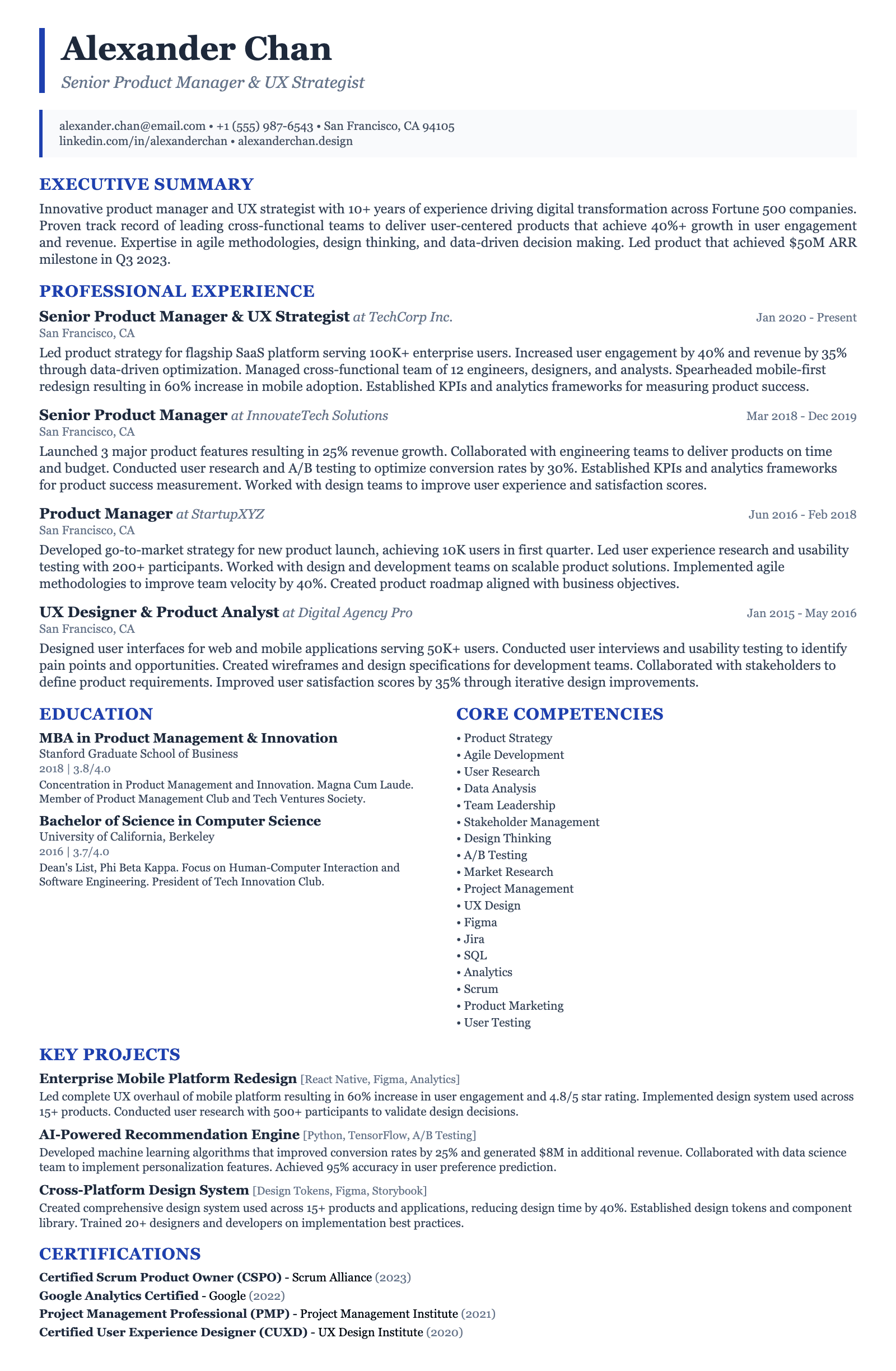
These templates are pre-configured with the headers and layout recruiters expect in the USA.


Common Questions
What is the standard resume length in the US for Caregiver?
In the United States, a one-page resume is the gold standard for anyone with less than 10 years of experience. For senior executives, two pages are acceptable, but conciseness is highly valued. Hiring managers and ATS systems expect scannable, keyword-rich content without fluff.
Should I include a photo on my Caregiver resume?
No. Never include a photo on a US resume. US companies strictly follow anti-discrimination laws (EEOC), and including a photo can lead to your resume being rejected immediately to avoid bias. Focus instead on skills, metrics, and achievements.
How do I tailor my Caregiver resume for US employers?
Tailor your resume by mirroring keywords from the job description, using US Letter (8.5" x 11") format, and leading each bullet with a strong action verb. Include quantifiable results (percentages, dollar impact, team size) and remove any personal details (photo, DOB, marital status) that are common elsewhere but discouraged in the US.
What keywords should a Caregiver resume include for ATS?
Include role-specific terms from the job posting (e.g., tools, methodologies, certifications), standard section headings (Experience, Education, Skills), and industry buzzwords. Avoid graphics, tables, or unusual fonts that can break ATS parsing. Save as PDF or DOCX for maximum compatibility.
How do I explain a career gap on my Caregiver resume in the US?
Use a brief, honest explanation (e.g., 'Career break for family' or 'Professional development') in your cover letter or a short summary line if needed. On the resume itself, focus on continuous skills and recent achievements; many US employers accept gaps when the rest of the profile is strong and ATS-friendly.
What skills should I highlight on my caregiver resume?
Highlight both technical skills (e.g., First Aid, CPR, medication administration) and soft skills (e.g., empathy, patience, communication). Tailor your skills list to match the specific requirements of each job.
What is the best format for a caregiver resume?
The best format is usually a chronological or combination resume format. Chronological highlights your work history in reverse order, while combination combines skills and experience. Choose the format that best showcases your strengths.
Should I include a cover letter with my caregiver resume?
Yes, a cover letter is highly recommended. It allows you to personalize your application and explain why you are a good fit for the position. Use it to showcase your passion for caregiving and highlight your relevant skills and experience.
How can I make my caregiver resume stand out?
Quantify your accomplishments whenever possible. For example, instead of saying "Provided personal care," say "Improved client's hygiene and comfort by assisting with bathing and dressing daily." Also, include any relevant certifications and training.
What should I do if I have gaps in my work history?
Be honest and transparent about any gaps in your work history. You can explain the reason for the gap in your cover letter or during the interview. Focus on the skills and experience you gained during that time, even if it was not directly related to caregiving.
Is it necessary to have certifications to be a caregiver?
While not always required, certifications like CPR and First Aid, and sometimes CNA certification, significantly enhance your resume and demonstrate your commitment to providing safe and effective care. Check the specific requirements of each job posting.
What kind of experience is most valuable on a caregiver resume?
Any experience demonstrating direct patient care is valuable, including experience with specific medical conditions (e.g., dementia, diabetes), assistive devices, and medication administration. Emphasize the positive impact you had on your clients' lives.
How important are references for a caregiver position?
References are very important. Provide contact information for previous employers or clients who can vouch for your skills, reliability, and compassion. Always ask for permission before listing someone as a reference.
Sources: Salary and hiring insights reference NASSCOM, LinkedIn Jobs, and Glassdoor.
Our CV and resume guides are reviewed by the ResumeGyani career team for ATS and hiring-manager relevance.