

Yoga Instructor Resume Format (US Edition)
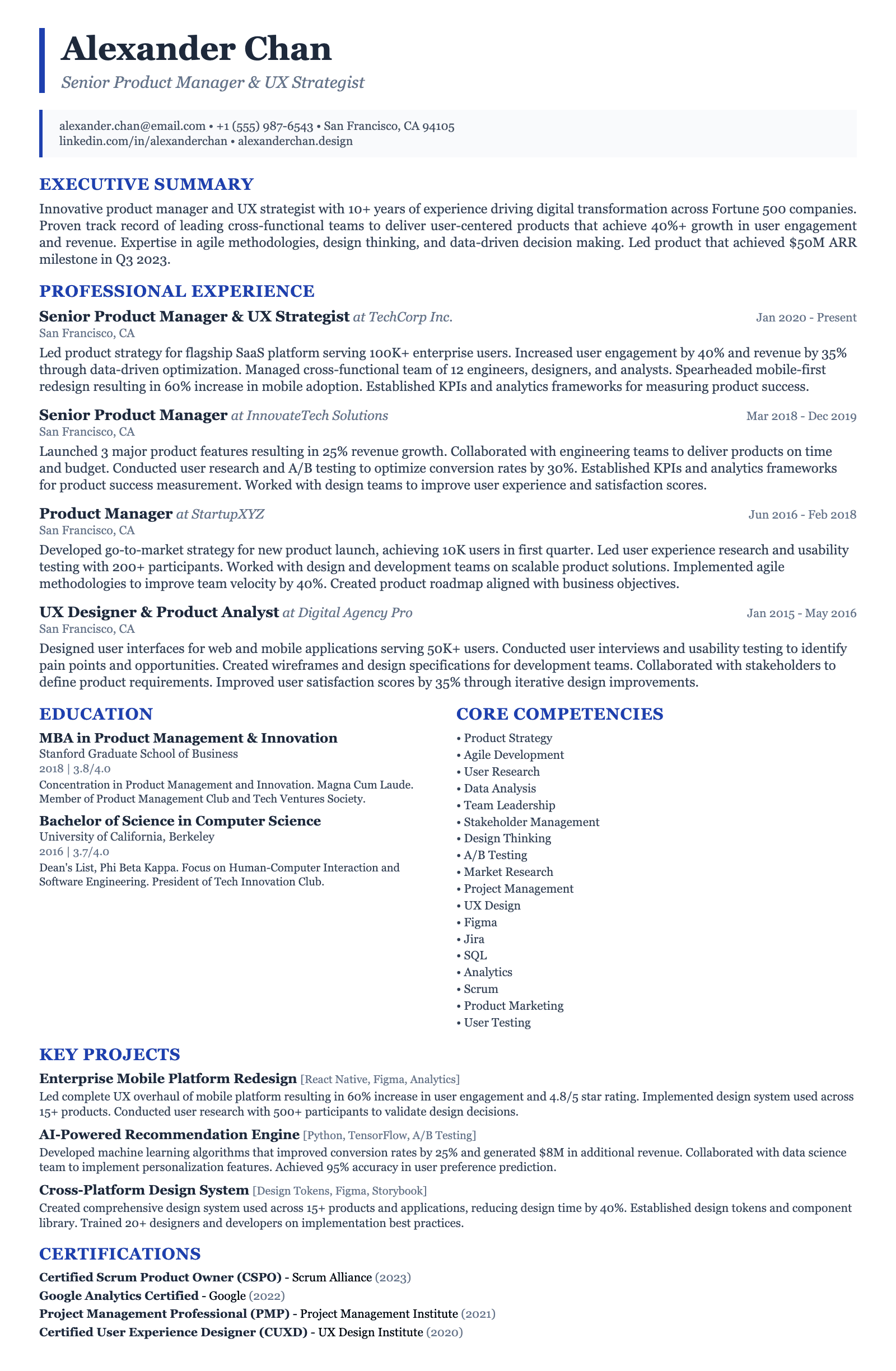
The US job market for Yoga Instructors is highly competitive. Recruiters look for 'Action Verbs' and quantifiable achievements. This template is designed to pass ATS filters used by top US companies.

Salary Range
$60k - $120k
Use strong action verbs and quantifiable results in every bullet. Recruiters and ATS both rank resumes higher when they see impact (e.g. “Increased conversion by 20%”) instead of duties.
A Day in the Life of a Yoga Instructor
A Yoga Instructor's day starts early, preparing the studio space by arranging mats, adjusting lighting, and ensuring a calming atmosphere. They review the class plan, which might involve Vinyasa flow, restorative yoga, or specialized sessions like prenatal yoga. Throughout the day, the instructor leads multiple classes, providing clear instructions, demonstrating poses, and offering modifications for students with varying levels of experience and physical limitations. They use tools like yoga blocks, straps, and blankets to assist students. Time is also spent building relationships with students, offering personalized guidance, and addressing individual concerns. Administrative tasks include managing class schedules using software like Mindbody, handling payments, and promoting classes through social media platforms like Instagram and Facebook. The instructor might also attend workshops or continuing education courses to enhance their skills and knowledge, keeping abreast of new techniques and trends. A key deliverable is creating a safe and supportive environment where students can improve their physical and mental well-being.
Skills Matrix
Must Haves
Technical
Resume Killers (Avoid!)
Listing only job duties without quantifiable achievements or impact.
Using a generic resume for every Yoga Instructor application instead of tailoring to the job.
Including irrelevant or outdated experience that dilutes your message.
Using complex layouts, graphics, or columns that break ATS parsing.
Leaving gaps unexplained or using vague dates.
Writing a long summary or objective instead of a concise, achievement-focused one.
Typical Career Roadmap (US Market)
Top Interview Questions
Be prepared for these common questions in US tech interviews.
Q: Describe a time you had to adapt a yoga class for students with varying abilities or injuries. How did you ensure everyone felt included and safe?
MediumExpert Answer:
In one class, I had a student with a wrist injury and another who was pregnant. I provided modifications for the wrist injury, suggesting forearm planks instead of traditional planks and offering alternative poses that didn't put weight on the wrists. For the pregnant student, I offered prenatal-specific modifications and encouraged her to listen to her body. I continuously checked in with both students to ensure they felt comfortable and safe, creating an inclusive environment where everyone could participate at their own level. Safety is paramount.
Q: How do you stay current with the latest trends and techniques in yoga?
MediumExpert Answer:
I am committed to continuous learning and professional development. I regularly attend workshops and trainings offered by reputable yoga organizations. I also subscribe to industry publications, follow leading yoga instructors on social media, and participate in online forums to stay informed about new techniques, research, and trends in the field. I recently completed a workshop on trauma-informed yoga, which has enhanced my ability to create a more supportive and inclusive class environment.
Q: A student expresses discomfort or pain during a pose. What steps do you take?
EasyExpert Answer:
My immediate priority is the student's safety and well-being. I would first ask the student to describe the discomfort and its location. Based on their response, I would offer modifications or alternative poses that alleviate the pain. If the pain persists, I would advise the student to rest and consult with a healthcare professional. I would also check in with the student after class to ensure they are feeling better and offer additional guidance or resources.
Q: Describe your approach to creating a positive and inclusive class environment.
MediumExpert Answer:
I believe in creating a welcoming and supportive space for all students, regardless of their background, experience level, or physical abilities. I begin each class by setting a positive intention and encouraging students to connect with their breath and body. I offer modifications and variations for poses to accommodate different levels and physical limitations. I also promote a culture of non-judgment and self-acceptance, encouraging students to listen to their bodies and honor their individual needs. I strive to learn students' names and build rapport.
Q: What are the key principles of alignment in yoga, and how do you ensure your students maintain proper alignment during class?
HardExpert Answer:
Key principles of alignment include maintaining a neutral spine, engaging core muscles, and aligning joints to prevent injury. I emphasize these principles throughout my classes by providing clear and concise instructions, demonstrating proper alignment in each pose, and offering hands-on adjustments when appropriate. I also encourage students to use props, such as blocks and straps, to support their alignment. I circulate the room frequently to observe students and provide individualized feedback, ensuring they are practicing safely and effectively. I will often cue using anatomical language to help students understand the movement.
Q: Imagine a student becomes disruptive during class, talking loudly and distracting others. How would you handle the situation?
MediumExpert Answer:
I would first gently and respectfully address the student privately, if possible, during a break or after class. I would explain that their behavior is disruptive to the class and ask them to be more mindful of others. If the behavior continues, I might need to ask the student to leave the class to maintain a positive and respectful environment for everyone else. My goal is to address the issue while remaining calm and respectful, prioritizing the experience of the other participants.
ATS Optimization Tips for Yoga Instructor
Use exact keywords from the job description throughout your resume, especially in the skills and experience sections. Focus on terms like 'Vinyasa,' 'Hatha,' 'Restorative,' 'Prenatal Yoga,' and specific certifications (e.g., 200-hour RYT).
Format your resume with clear, concise headings like 'Certifications,' 'Teaching Experience,' 'Skills,' and 'Education.' This helps the ATS parse the information accurately.
Quantify your accomplishments whenever possible. For example, 'Increased class attendance by 20%' or 'Managed a class of 25+ students.'
Incorporate your certifications directly into your resume, listing the certifying organization and date of completion. This ensures the ATS recognizes your credentials.
Use a simple and clean resume template. Avoid using tables, graphics, or unusual fonts, as these can confuse the ATS.
Submit your resume in a format that is easily readable by ATS, typically a .doc or .pdf file. Always check the job posting for preferred file formats.
Include a skills section that lists both hard skills (e.g., knowledge of anatomy, yoga styles) and soft skills (e.g., communication, empathy).
Before submitting your resume, use an online ATS checker tool to identify any potential issues and ensure your resume is properly optimized.
Approved Templates for Yoga Instructor
These templates are pre-configured with the headers and layout recruiters expect in the USA.


Common Questions
What is the standard resume length in the US for Yoga Instructor?
In the United States, a one-page resume is the gold standard for anyone with less than 10 years of experience. For senior executives, two pages are acceptable, but conciseness is highly valued. Hiring managers and ATS systems expect scannable, keyword-rich content without fluff.
Should I include a photo on my Yoga Instructor resume?
No. Never include a photo on a US resume. US companies strictly follow anti-discrimination laws (EEOC), and including a photo can lead to your resume being rejected immediately to avoid bias. Focus instead on skills, metrics, and achievements.
How do I tailor my Yoga Instructor resume for US employers?
Tailor your resume by mirroring keywords from the job description, using US Letter (8.5" x 11") format, and leading each bullet with a strong action verb. Include quantifiable results (percentages, dollar impact, team size) and remove any personal details (photo, DOB, marital status) that are common elsewhere but discouraged in the US.
What keywords should a Yoga Instructor resume include for ATS?
Include role-specific terms from the job posting (e.g., tools, methodologies, certifications), standard section headings (Experience, Education, Skills), and industry buzzwords. Avoid graphics, tables, or unusual fonts that can break ATS parsing. Save as PDF or DOCX for maximum compatibility.
How do I explain a career gap on my Yoga Instructor resume in the US?
Use a brief, honest explanation (e.g., 'Career break for family' or 'Professional development') in your cover letter or a short summary line if needed. On the resume itself, focus on continuous skills and recent achievements; many US employers accept gaps when the rest of the profile is strong and ATS-friendly.
What is the ideal length for a Yoga Instructor resume?
For Yoga Instructors, especially those with less than 10 years of experience, a one-page resume is typically sufficient. Focus on showcasing your most relevant certifications, teaching experience, and specialized yoga styles. If you have extensive experience, publications, or have led multiple workshops, a two-page resume may be appropriate, but ensure every section is highly relevant and impactful. Prioritize clarity and conciseness, using action verbs to describe your achievements and quantifiable results whenever possible. Use tools like Grammarly to check for errors.
What are the most important skills to highlight on a Yoga Instructor resume?
Beyond fundamental yoga knowledge, emphasize skills like effective communication, the ability to provide clear and concise instructions, and modifications for various skill levels. Highlight your knowledge of anatomy and physiology, injury prevention, and different yoga styles (e.g., Vinyasa, Hatha, Restorative, Prenatal). Customer service and interpersonal skills are essential for building rapport with students. Also include proficiency with scheduling and payment software like Mindbody, as well as basic marketing skills for promoting classes through social media platforms such as Instagram.
How can I optimize my Yoga Instructor resume for Applicant Tracking Systems (ATS)?
To beat the ATS, format your resume with clear headings like 'Certifications,' 'Teaching Experience,' and 'Skills.' Use keywords directly from the job description, such as specific yoga styles or certifications (e.g., 200-hour RYT). Avoid tables, graphics, and unusual fonts, as these can confuse the ATS. Submit your resume as a .doc or .pdf file, as specified in the job posting. Tools like Jobscan can help you analyze your resume against a specific job description to identify missing keywords.
What certifications should I include on my Yoga Instructor resume?
Prioritize certifications from recognized yoga organizations, such as the Yoga Alliance (e.g., 200-hour RYT, 500-hour RYT). Include certifications in specialized yoga styles (e.g., Prenatal Yoga, Restorative Yoga, Yoga Therapy) if applicable. List the certifying organization, date of completion, and any relevant coursework or training. If you have CPR/First Aid certification, include that as well. Certifications demonstrate your commitment to professional development and expertise in specific areas.
What are common mistakes to avoid on a Yoga Instructor resume?
Avoid generic statements and clichés. Instead, quantify your achievements whenever possible (e.g., 'Increased class attendance by 20% in six months'). Proofread carefully for grammatical errors and typos. Do not include irrelevant information, such as hobbies unrelated to yoga or teaching. Ensure your contact information is accurate and up-to-date. Using a generic resume template instead of tailoring it to the specific job can also be detrimental. Use a tool such as Resume.io to create a tailored resume.
How should I address a career transition into yoga instruction on my resume?
Highlight transferable skills from your previous career, such as communication, organization, and customer service. Emphasize your passion for yoga and your commitment to teaching. Showcase any relevant training, certifications, or volunteer experience in the yoga field. Consider including a brief summary statement that explains your career transition and highlights your enthusiasm for yoga instruction. Frame your past experience in a way that demonstrates its relevance to the new role. For instance, project management skills could translate to managing class schedules effectively.
Sources: Salary and hiring insights reference NASSCOM, LinkedIn Jobs, and Glassdoor.
Our CV and resume guides are reviewed by the ResumeGyani career team for ATS and hiring-manager relevance.