

Server Resume Format (US Edition)
In the US job market, recruiters spend seconds scanning a resume. They look for impact (metrics), clear tech or domain skills, and education. This guide helps you build an ATS-friendly Server resume that passes filters used by top US companies. Use US Letter size, one page for under 10 years experience, and no photo.

Salary Range
$60k - $120k
Use strong action verbs and quantifiable results in every bullet. Recruiters and ATS both rank resumes higher when they see impact (e.g. “Increased conversion by 20%”) instead of duties.
A Day in the Life of a Server
A server's day is a fast-paced blend of customer interaction and operational efficiency. It begins with pre-shift meetings, reviewing daily specials, and understanding any order modifications or shortages. Throughout the shift, servers greet guests, take orders using a POS system like Toast or Aloha, and ensure accurate order delivery, often coordinating with kitchen staff via headsets. Managing multiple tables simultaneously requires exceptional organizational skills to track order status, anticipate guest needs (refills, condiments), and address complaints promptly using strong communication. Cash handling is frequent, requiring accuracy in processing payments and providing change. The day ends with side work duties: restocking stations, cleaning tables, and preparing for the next shift. Servers need to adapt to rapidly changing situations, handling difficult customers, or substituting ingredients.
Skills Matrix
Must Haves
Technical
Resume Killers (Avoid!)
Listing only job duties without quantifiable achievements or impact.
Using a generic resume for every Server application instead of tailoring to the job.
Including irrelevant or outdated experience that dilutes your message.
Using complex layouts, graphics, or columns that break ATS parsing.
Leaving gaps unexplained or using vague dates.
Writing a long summary or objective instead of a concise, achievement-focused one.
Typical Career Roadmap (US Market)
Top Interview Questions
Be prepared for these common questions in US tech interviews.
Q: Describe a time you had to deal with a difficult customer. How did you resolve the situation?
MediumExpert Answer:
In my previous role, a customer was upset because their order was taking longer than expected. I listened empathetically to their concerns, apologized for the delay, and offered a complimentary appetizer. I then checked with the kitchen to get an estimated time for their order and kept the customer updated. By showing genuine concern and proactively addressing the issue, I was able to turn a negative experience into a positive one. The customer thanked me for my attention and understanding. It's crucial to remain calm and find solutions that prioritize customer satisfaction.
Q: What experience do you have with POS systems, and which ones are you most familiar with?
MediumExpert Answer:
I have experience using various POS systems, including Toast, Square, and Aloha. I am proficient in taking orders, processing payments, generating reports, and managing table layouts. I am most familiar with Toast, as I used it extensively in my previous role. I found it to be user-friendly and efficient for managing orders and tracking sales. I'm also quick to learn new systems and adapt to different interfaces, which I think is important for a server.
Q: How do you handle working in a high-pressure, fast-paced environment?
MediumExpert Answer:
I thrive in fast-paced environments because I'm highly organized and able to prioritize tasks effectively. I maintain composure under pressure by staying focused on the immediate needs of my customers and collaborating closely with my team. I find that clear communication and a positive attitude are essential in managing stress and ensuring smooth service. For example, I always make sure to communicate any delays or issues to my tables as soon as I know about them.
Q: Imagine a customer orders a dish with an ingredient they are allergic to. How would you handle that?
MediumExpert Answer:
The moment a customer mentions an allergy, I'd take it incredibly seriously. I'd immediately inform the kitchen staff and double-check the ingredients of the dish. I'd also ask the customer about the severity of their allergy to ensure we take all necessary precautions. If there's any doubt about cross-contamination, I'd recommend an alternative dish. My priority is always the customer's safety and well-being, so I'd rather be overly cautious than risk an allergic reaction.
Q: How do you ensure accuracy when taking orders, especially for large groups?
EasyExpert Answer:
Accuracy is paramount when taking orders. I use a structured approach, repeating the order back to the customer to confirm each item. I also make detailed notes of any special requests or modifications. For large groups, I assign a number to each person and note their order accordingly. When entering the order into the POS system, I double-check each item to prevent errors. I understand the importance of getting the order right to avoid wasting food and maintain customer satisfaction.
Q: Describe a situation where you had to work as part of a team to achieve a common goal. What was your role, and what did you learn?
MediumExpert Answer:
In my previous role, our restaurant was hosting a large private event. The goal was to provide exceptional service to all guests and ensure a smooth and enjoyable experience. My role was to coordinate with the kitchen staff, bartenders, and other servers to manage order flow and address any guest requests. I learned the importance of clear communication and mutual support within the team. By working together and supporting each other, we were able to successfully execute the event and exceed customer expectations. It highlighted the value of teamwork in delivering outstanding service.
ATS Optimization Tips for Server
Prioritize keyword placement strategically within your resume. Ensure core skills like 'customer service,' 'POS,' 'order taking,' and 'cash handling' are naturally integrated throughout your work experience and skills sections.
Use a consistent and easily readable font like Arial or Calibri in a standard size (11-12 points). Avoid decorative fonts that may not be recognized by ATS systems.
Format your work experience with clear job titles, company names, dates of employment, and concise bullet points describing your responsibilities and achievements. Quantify your accomplishments whenever possible.
Save your resume as a PDF file to preserve formatting, but ensure the text is selectable. Some older ATS systems may have difficulty parsing image-based PDFs.
Tailor your resume for each specific job application by matching the keywords and skills listed in the job description. This shows the ATS that you are a strong fit for the role.
Use action verbs to start your bullet points in the work experience section. Examples include 'Managed,' 'Served,' 'Assisted,' and 'Maintained' to showcase your responsibilities effectively.
Include a skills section that lists both hard skills (e.g., POS systems, cash handling) and soft skills (e.g., communication, teamwork). Ensure these skills align with the job requirements.
Proofread your resume carefully for any spelling or grammatical errors. ATS systems may penalize resumes with errors, leading to lower rankings.
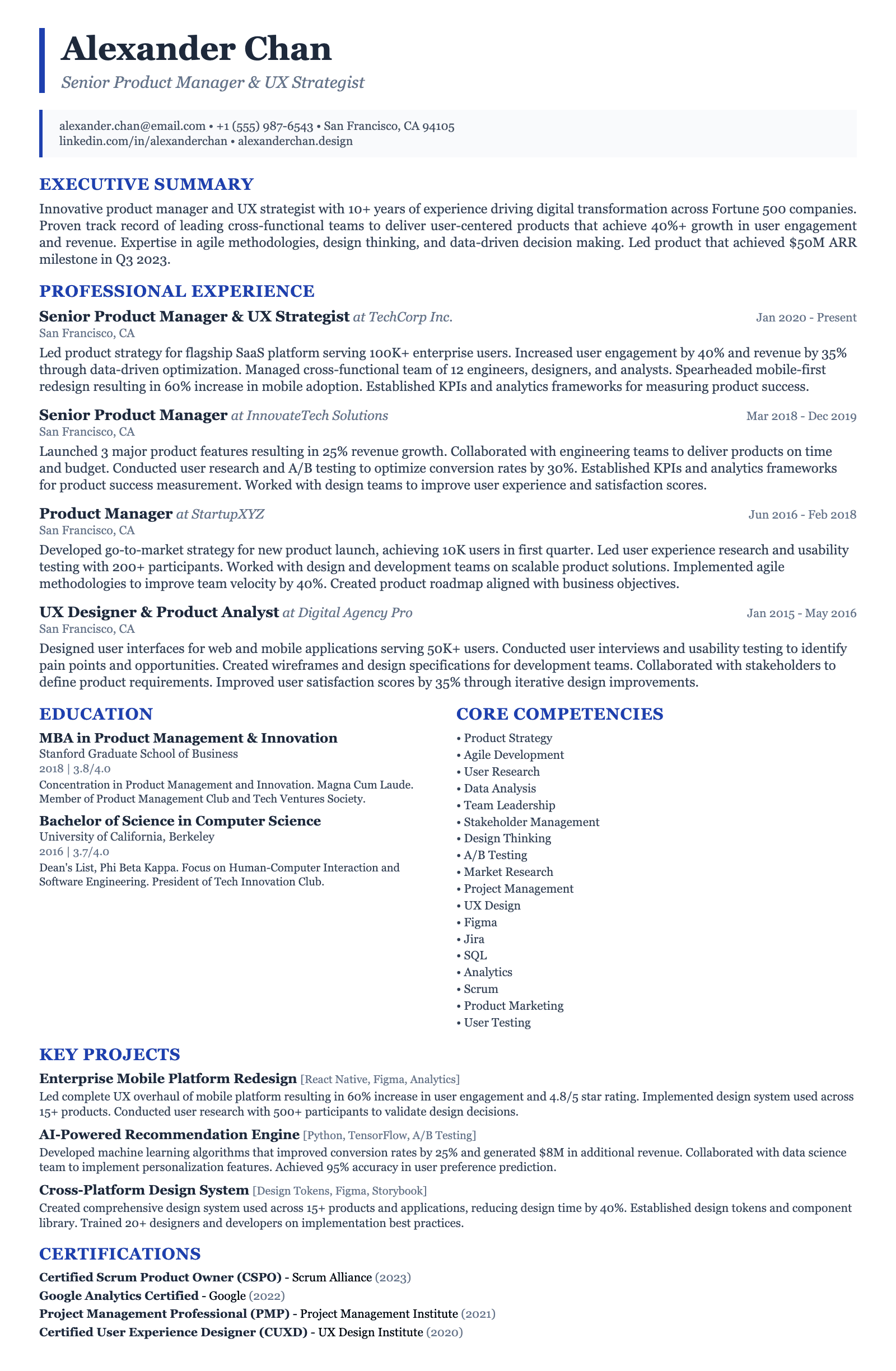
Approved Templates for Server
These templates are pre-configured with the headers and layout recruiters expect in the USA.


Common Questions
What is the standard resume length in the US for Server?
In the United States, a one-page resume is the gold standard for anyone with less than 10 years of experience. For senior executives, two pages are acceptable, but conciseness is highly valued. Hiring managers and ATS systems expect scannable, keyword-rich content without fluff.
Should I include a photo on my Server resume?
No. Never include a photo on a US resume. US companies strictly follow anti-discrimination laws (EEOC), and including a photo can lead to your resume being rejected immediately to avoid bias. Focus instead on skills, metrics, and achievements.
How do I tailor my Server resume for US employers?
Tailor your resume by mirroring keywords from the job description, using US Letter (8.5" x 11") format, and leading each bullet with a strong action verb. Include quantifiable results (percentages, dollar impact, team size) and remove any personal details (photo, DOB, marital status) that are common elsewhere but discouraged in the US.
What keywords should a Server resume include for ATS?
Include role-specific terms from the job posting (e.g., tools, methodologies, certifications), standard section headings (Experience, Education, Skills), and industry buzzwords. Avoid graphics, tables, or unusual fonts that can break ATS parsing. Save as PDF or DOCX for maximum compatibility.
How do I explain a career gap on my Server resume in the US?
Use a brief, honest explanation (e.g., 'Career break for family' or 'Professional development') in your cover letter or a short summary line if needed. On the resume itself, focus on continuous skills and recent achievements; many US employers accept gaps when the rest of the profile is strong and ATS-friendly.
How long should my Server resume be?
Ideally, a server resume should be one page long. Focus on highlighting the most relevant experience and skills. If you've held numerous server positions or have extensive experience in high-volume establishments or fine dining, prioritize the most impactful roles. Use concise language and bullet points to maximize space. A resume with overly lengthy or unorganized content may be overlooked by recruiters and hiring managers. Leverage tools like Grammarly to ensure clarity and brevity.
What are the most important skills to include on a Server resume?
Beyond basic service skills, emphasize communication, organization, and adaptability. Showcase your proficiency with POS systems such as Square or Revel Systems. Quantify your experience whenever possible, e.g., "Managed an average of 15 tables per shift." Include soft skills like teamwork and problem-solving, demonstrating your ability to handle customer complaints and collaborate effectively with kitchen and bar staff. Also, if you have knowledge of food safety practices or specific culinary styles, make sure to highlight these. Certifications like ServSafe are also valuable.
How should I format my Server resume to pass an ATS?
Use a chronological or combination resume format. Avoid tables, text boxes, and images, as these can confuse ATS systems. Use standard fonts like Arial or Calibri in 11-12 point size. Save your resume as a .doc or .pdf file. Use clear section headings such as "Work Experience," "Skills," and "Education." Ensure your contact information is easily accessible. Optimize for keywords by incorporating terms from the job description, such as “customer service,” “POS systems,” and “order accuracy.” Tools like Jobscan can help check ATS compatibility.
Are certifications important for Server resumes?
Yes, certifications can significantly enhance your server resume. ServSafe certification is highly valued, demonstrating your knowledge of food safety and handling procedures. BARTENDER certifications are also useful, especially if you want to work with alcoholic beverages. Certifications show initiative and a commitment to professional development. Including these credentials can set you apart from other candidates, particularly in competitive markets. Also consider including any training related to responsible alcohol service or specific food preparation techniques.
What are some common mistakes to avoid on a Server resume?
Avoid generic descriptions of your duties. Instead of saying "Provided excellent customer service," quantify your achievements, such as "Increased customer satisfaction scores by 15% through proactive service." Proofread carefully for spelling and grammar errors. Don't include irrelevant information, such as hobbies unrelated to the job. Avoid exaggerating your skills or experience. Omit overly casual language or unprofessional email addresses. Always tailor your resume to the specific requirements of the job description using tools like Resume.io.
How can I transition to a Server role if I have no prior experience?
Highlight transferable skills from other jobs, such as communication, teamwork, and customer service. Emphasize your willingness to learn and your strong work ethic. Consider volunteering at events or restaurants to gain some practical experience. Obtain relevant certifications, such as ServSafe, to demonstrate your commitment. Focus on your enthusiasm and positive attitude in your cover letter. Tailor your resume to emphasize skills that align with the server role, even if they were gained in different contexts. Mention any experience with cash handling or POS systems, even in a non-restaurant setting.
Sources: Salary and hiring insights reference NASSCOM, LinkedIn Jobs, and Glassdoor.
Our CV and resume guides are reviewed by the ResumeGyani career team for ATS and hiring-manager relevance.