

Personal Trainer Resume Format (US Edition)
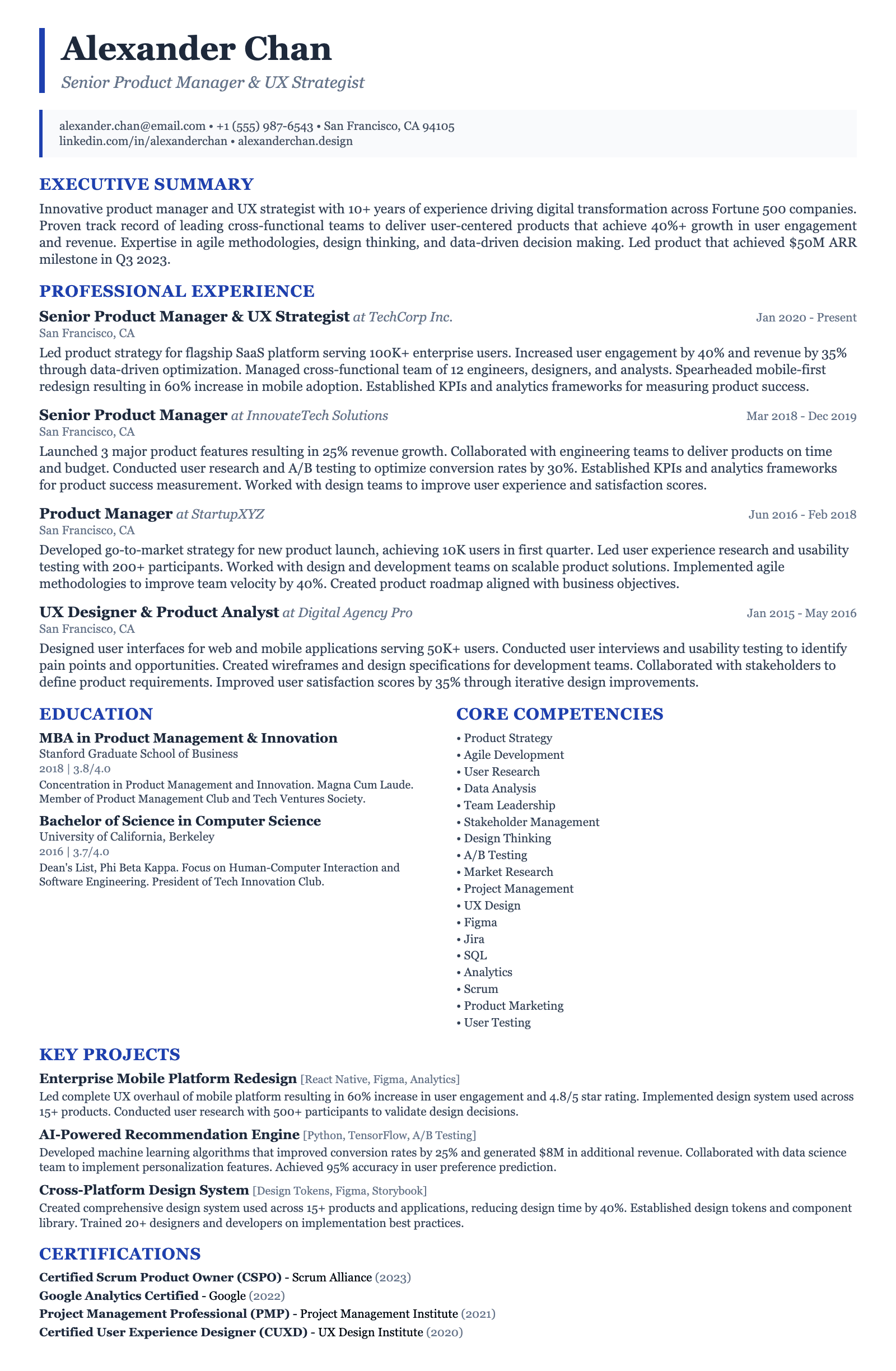
The US job market for Personal Trainers is highly competitive. Recruiters look for 'Action Verbs' and quantifiable achievements. This template is designed to pass ATS filters used by top US companies.

Salary Range
$60k - $120k
Use strong action verbs and quantifiable results in every bullet. Recruiters and ATS both rank resumes higher when they see impact (e.g. “Increased conversion by 20%”) instead of duties.
A Day in the Life of a Personal Trainer
A personal trainer's day begins early, typically around 5:00 AM, preparing workout plans tailored to individual clients' fitness goals and limitations, documented in apps like Trainerize or Google Sheets. The morning is filled with one-on-one training sessions, focusing on proper form, technique, and motivation. Midday might involve administrative tasks such as responding to client inquiries via email, scheduling sessions using Calendly, and creating marketing content for social media platforms like Instagram. Afternoon sessions continue with diverse clients, demanding adaptability and personalized approaches. The day often concludes with facility maintenance, ensuring equipment is clean and functional, and reviewing client progress using tools like MyFitnessPal to adjust plans accordingly. A key deliverable is consistent client progress towards their fitness objectives, tracked through regular assessments and documented in a client management system.
Skills Matrix
Must Haves
Technical
Resume Killers (Avoid!)
Listing only job duties without quantifiable achievements or impact.
Using a generic resume for every Personal Trainer application instead of tailoring to the job.
Including irrelevant or outdated experience that dilutes your message.
Using complex layouts, graphics, or columns that break ATS parsing.
Leaving gaps unexplained or using vague dates.
Writing a long summary or objective instead of a concise, achievement-focused one.
Typical Career Roadmap (US Market)
Top Interview Questions
Be prepared for these common questions in US tech interviews.
Q: Describe a time you had to motivate a client who was struggling to meet their fitness goals. What strategies did you use?
MediumExpert Answer:
In a prior role, I had a client who felt discouraged after not seeing immediate results. I started by actively listening to their concerns and validating their feelings. I then reframed their goals into smaller, achievable milestones and celebrated each success, no matter how small. I also incorporated variety into their workouts to keep them engaged and prevent boredom. By providing consistent encouragement and positive reinforcement, the client regained motivation and ultimately achieved their desired results. I regularly use motivational interviewing to help clients overcome barriers.
Q: What is your approach to designing a fitness program for a new client with specific health concerns, such as high blood pressure or diabetes?
MediumExpert Answer:
My first step would be to consult with their physician, if possible, to understand any limitations or precautions. Then, I'd conduct a thorough assessment of their current fitness level and medical history. Based on this information, I would create a customized program that focuses on low-impact exercises, gradual progression, and careful monitoring of vital signs. I will educate the client on the importance of proper nutrition and hydration. I also work with them to monitor their blood sugar and/or blood pressure levels to ensure safety and efficacy.
Q: Tell me about a time you had to deal with a difficult or demanding client. How did you handle the situation?
MediumExpert Answer:
I once had a client who consistently complained about the workouts being too challenging, despite their fitness level being adequate. I remained calm and empathetic, actively listening to their concerns. I then explained the rationale behind the workout plan and offered modifications to accommodate their preferences, while still ensuring they progressed towards their goals. I focused on building trust and open communication, which helped to resolve the conflict and improve the client's experience.
Q: How do you stay up-to-date with the latest fitness trends and research?
EasyExpert Answer:
I am committed to continuous learning and professional development. I regularly attend industry conferences, read research journals like the Journal of Strength and Conditioning Research, and participate in online courses and webinars offered by organizations like NASM and ACE. I also follow reputable fitness experts on social media and engage in discussions with other professionals in the field to exchange knowledge and best practices. This allows me to offer clients the most effective and evidence-based training techniques.
Q: A client comes to you seeking rapid weight loss for an upcoming event. How would you advise them, emphasizing a healthy and sustainable approach?
HardExpert Answer:
I would explain the importance of a sustainable and healthy approach to weight loss, emphasizing that rapid weight loss is often unsustainable and can be detrimental to their health. I would recommend a balanced diet focusing on whole foods, portion control, and regular physical activity. I'd suggest setting realistic goals, such as losing 1-2 pounds per week, and focusing on long-term lifestyle changes rather than quick fixes. I would also stress the importance of consulting with a registered dietitian or physician for personalized guidance.
Q: Describe a time when you identified a potentially dangerous situation during a training session. What steps did you take to ensure the client's safety?
HardExpert Answer:
During a squat exercise, I noticed a client's form was deteriorating significantly, and they started exhibiting signs of pain in their lower back. I immediately stopped the exercise, assessed the situation, and asked the client about their discomfort. I determined that they were likely experiencing muscle strain due to improper form. I modified the exercise to a less demanding variation, focusing on proper technique. I also advised them to consult a physical therapist if the pain persisted. Client safety is paramount.
ATS Optimization Tips for Personal Trainer
Use exact keywords from the job description throughout your resume, especially in the skills section and work experience bullet points. ATS systems prioritize resumes that closely match the job requirements.
Format your resume with clear headings (e.g., "Summary," "Experience," "Skills," "Education") to make it easy for ATS to parse the information. Avoid using tables or columns, as these can disrupt the parsing process.
In your skills section, list both hard skills (e.g., "Strength Training," "Program Design") and soft skills (e.g., "Communication," "Motivation") that are relevant to the personal trainer role. ATS often scans for specific skill keywords.
Quantify your accomplishments whenever possible. For example, instead of saying "Improved client fitness," say "Improved client fitness by 20% on average, measured by pre- and post-training assessments."
Use action verbs to start your bullet points in the work experience section. For example, use words like "Developed," "Implemented," "Managed," and "Trained" to showcase your responsibilities and achievements.
Include a professional summary or objective statement at the top of your resume that highlights your key skills and experience. This section should also include relevant keywords to attract the attention of ATS.
Save your resume as a PDF file to preserve the formatting and ensure that it is readable by ATS. However, be sure the PDF is text-based and not an image to allow parsing. Confirm before submitting.
Tailor your resume to each job application by customizing the keywords and skills to match the specific requirements of the role. Avoid submitting a generic resume that does not address the employer's needs. Use online tools to help tailor your resume.
Approved Templates for Personal Trainer
These templates are pre-configured with the headers and layout recruiters expect in the USA.


Common Questions
What is the standard resume length in the US for Personal Trainer?
In the United States, a one-page resume is the gold standard for anyone with less than 10 years of experience. For senior executives, two pages are acceptable, but conciseness is highly valued. Hiring managers and ATS systems expect scannable, keyword-rich content without fluff.
Should I include a photo on my Personal Trainer resume?
No. Never include a photo on a US resume. US companies strictly follow anti-discrimination laws (EEOC), and including a photo can lead to your resume being rejected immediately to avoid bias. Focus instead on skills, metrics, and achievements.
How do I tailor my Personal Trainer resume for US employers?
Tailor your resume by mirroring keywords from the job description, using US Letter (8.5" x 11") format, and leading each bullet with a strong action verb. Include quantifiable results (percentages, dollar impact, team size) and remove any personal details (photo, DOB, marital status) that are common elsewhere but discouraged in the US.
What keywords should a Personal Trainer resume include for ATS?
Include role-specific terms from the job posting (e.g., tools, methodologies, certifications), standard section headings (Experience, Education, Skills), and industry buzzwords. Avoid graphics, tables, or unusual fonts that can break ATS parsing. Save as PDF or DOCX for maximum compatibility.
How do I explain a career gap on my Personal Trainer resume in the US?
Use a brief, honest explanation (e.g., 'Career break for family' or 'Professional development') in your cover letter or a short summary line if needed. On the resume itself, focus on continuous skills and recent achievements; many US employers accept gaps when the rest of the profile is strong and ATS-friendly.
How long should my personal trainer resume be?
Ideally, your resume should be one page, especially if you have less than ten years of experience. Focus on the most relevant experiences and quantifiable achievements. If you have extensive experience, a two-page resume is acceptable, but prioritize information that directly relates to the specific personal training role. Use concise language and avoid unnecessary details. Utilize tools like Grammarly to ensure clarity and conciseness.
What are the most important skills to highlight on a personal trainer resume?
Beyond basic fitness knowledge, emphasize communication, motivational interviewing, program design, and injury prevention. Highlight your ability to assess clients' fitness levels, develop customized workout plans, and track progress using tools like FitBit or Apple Watch data. Soft skills like active listening, empathy, and building rapport are equally crucial. Include certifications like NASM, ACE, or ISSA to showcase your expertise.
How can I ensure my personal trainer resume is ATS-friendly?
Use a simple, clean resume format with clear headings like "Experience," "Education," and "Skills." Avoid tables, graphics, and unusual fonts, as these can confuse ATS systems. Incorporate relevant keywords from the job description, such as "strength training," "cardiovascular fitness," and "weight management." Save your resume as a .doc or .pdf file, depending on the application instructions. Use keyword optimization tools like Jobscan to fine-tune your resume.
Which certifications should I include on my personal trainer resume?
List certifications from reputable organizations like the National Academy of Sports Medicine (NASM), the American Council on Exercise (ACE), the International Sports Sciences Association (ISSA), and the National Strength and Conditioning Association (NSCA). Include the certification name, issuing organization, and expiration date (if applicable). Mention any specialized certifications like yoga, Pilates, or CrossFit, if relevant to the job. Prioritize certifications aligned with the training specializations offered at the target gym.
What are some common resume mistakes personal trainers should avoid?
Avoid generic resumes that lack specific achievements or quantifiable results. Don't neglect to include relevant certifications or let them expire. Refrain from using unprofessional email addresses or social media profiles. Do not exaggerate your experience or skills. Proofread carefully for typos and grammatical errors, using tools like ProWritingAid, which can immediately eliminate your chances. Also, avoid listing irrelevant hobbies or personal information.
How can I transition my resume to a personal trainer role from a different field?
Highlight transferable skills such as communication, customer service, sales, and project management. Emphasize any fitness-related experience, such as leading group fitness classes, participating in sports, or pursuing fitness certifications. Create a functional resume format that focuses on your skills rather than chronological work history. Include a strong summary statement that explains your career transition and highlights your passion for fitness. Consider taking additional courses to boost your credibility.
Sources: Salary and hiring insights reference NASSCOM, LinkedIn Jobs, and Glassdoor.
Our CV and resume guides are reviewed by the ResumeGyani career team for ATS and hiring-manager relevance.