

Security Guard Resume Format (US Edition)
The US job market for Security Guards is highly competitive. Recruiters look for 'Action Verbs' and quantifiable achievements. This template is designed to pass ATS filters used by top US companies.

Salary Range
$60k - $120k
Use strong action verbs and quantifiable results in every bullet. Recruiters and ATS both rank resumes higher when they see impact (e.g. “Increased conversion by 20%”) instead of duties.
A Day in the Life of a Security Guard
A Security Guard's day begins with a briefing from the outgoing shift, reviewing incident reports and upcoming events. The primary focus involves monitoring premises via CCTV systems, ensuring all entry points are secure and conducting regular patrols. A significant portion of the day is spent verifying employee and visitor credentials, logging arrivals and departures in a database like Microsoft Excel. Guards respond to alarms and security breaches, utilizing two-way radios for quick communication with team members and local authorities. They may conduct preliminary investigations of incidents, documenting findings in detailed reports using Microsoft Word. Throughout the day, maintaining a visible presence to deter crime and provide assistance to employees and visitors remains crucial. Guards use project management tools like Trello to track daily tasks and deliverables, such as safety inspections and maintenance requests.
Skills Matrix
Must Haves
Technical
Resume Killers (Avoid!)
Listing only job duties without quantifiable achievements or impact.
Using a generic resume for every Security Guard application instead of tailoring to the job.
Including irrelevant or outdated experience that dilutes your message.
Using complex layouts, graphics, or columns that break ATS parsing.
Leaving gaps unexplained or using vague dates.
Writing a long summary or objective instead of a concise, achievement-focused one.
Typical Career Roadmap (US Market)
Top Interview Questions
Be prepared for these common questions in US tech interviews.
Q: Describe a time when you had to de-escalate a tense situation. What steps did you take?
MediumExpert Answer:
In a previous role at a retail store, a customer became irate after being denied a return without a receipt. I remained calm and listened to their concerns, acknowledging their frustration. I explained the store's policy clearly and offered alternative solutions, such as contacting the store manager or checking security footage for proof of purchase. By remaining empathetic and professional, I was able to de-escalate the situation and the customer eventually calmed down and left peacefully.
Q: How familiar are you with different types of security equipment, such as CCTV systems and access control systems?
MediumExpert Answer:
I have extensive experience operating and maintaining various security systems. I am proficient in using CCTV systems for surveillance and monitoring, including operating PTZ cameras and reviewing recorded footage. I am also familiar with access control systems, such as keycard entry and biometric scanners. I understand how these systems work and can troubleshoot basic issues. I've also used cloud-based security platforms like Verkada.
Q: Imagine you observe a suspicious person lingering near a restricted area. What actions would you take?
MediumExpert Answer:
First, I would carefully observe the individual's behavior and appearance, noting any details that could be relevant. I would then approach the person in a professional and non-confrontational manner, identify myself, and inquire about their purpose for being in the area. If their explanation seems suspicious or they are unable to provide a valid reason, I would politely ask them to leave the restricted area. I would document the interaction and report it to my supervisor.
Q: Tell me about a time you had to make a quick decision under pressure.
MediumExpert Answer:
During a shift at a construction site, a worker accidentally triggered a fire alarm. I immediately assessed the situation, confirmed there was no visible fire, and followed protocol to silence the alarm and notify the supervisor. I then directed other workers to evacuate calmly and safely. By acting quickly and decisively, I prevented panic and ensured everyone's safety until the fire department arrived to confirm the site was safe.
Q: How do you stay updated on the latest security threats and best practices?
EasyExpert Answer:
I subscribe to industry publications like Security Magazine and ASIS International. I also regularly attend security conferences and training workshops to learn about new technologies, emerging threats, and best practices. I also participate in online forums and communities where security professionals share information and insights. This helps me stay informed and continuously improve my skills.
Q: A visitor refuses to comply with the security check at the entrance. How would you handle this?
HardExpert Answer:
I would politely reiterate the security policy and explain the importance of the check for everyone's safety. If they still refuse, I would calmly but firmly state that I cannot allow them entry without compliance. I would then offer alternative options, such as speaking with a supervisor or arranging for the person they are visiting to come to the entrance. If the visitor becomes aggressive or disruptive, I would call for backup and follow established procedures for handling uncooperative individuals.
ATS Optimization Tips for Security Guard
Use exact keywords from the job description, such as "Access Control," "CCTV Monitoring," and "Incident Reporting." Ensure these keywords appear in your skills section and work experience descriptions.
Format your work experience using a chronological format, listing your most recent jobs first. Include the company name, your job title, dates of employment, and a bulleted list of your responsibilities and accomplishments.
Create a dedicated skills section that lists both hard and soft skills relevant to the Security Guard role. Include skills like "Surveillance," "Patrolling," "Emergency Response," "Communication," and "Conflict Resolution."
Quantify your achievements whenever possible. For example, instead of saying "Monitored surveillance cameras," say "Monitored 20+ surveillance cameras, identifying and reporting 5+ security breaches per month."
Use action verbs to describe your responsibilities and accomplishments. Examples include "Patrolled," "Monitored," "Responded," "Investigated," and "Secured."
Include relevant certifications and licenses, such as First Aid/CPR/AED certification, state-specific security guard licenses, and any specialized security training you have completed.
Optimize the file name of your resume. Use a simple and professional file name, such as "FirstName_LastName_Resume.pdf" or "SecurityGuard_Resume.pdf."
Run your resume through an ATS scanner before submitting it. There are several free and paid ATS scanner tools available online that can help you identify potential formatting or keyword issues.
Approved Templates for Security Guard
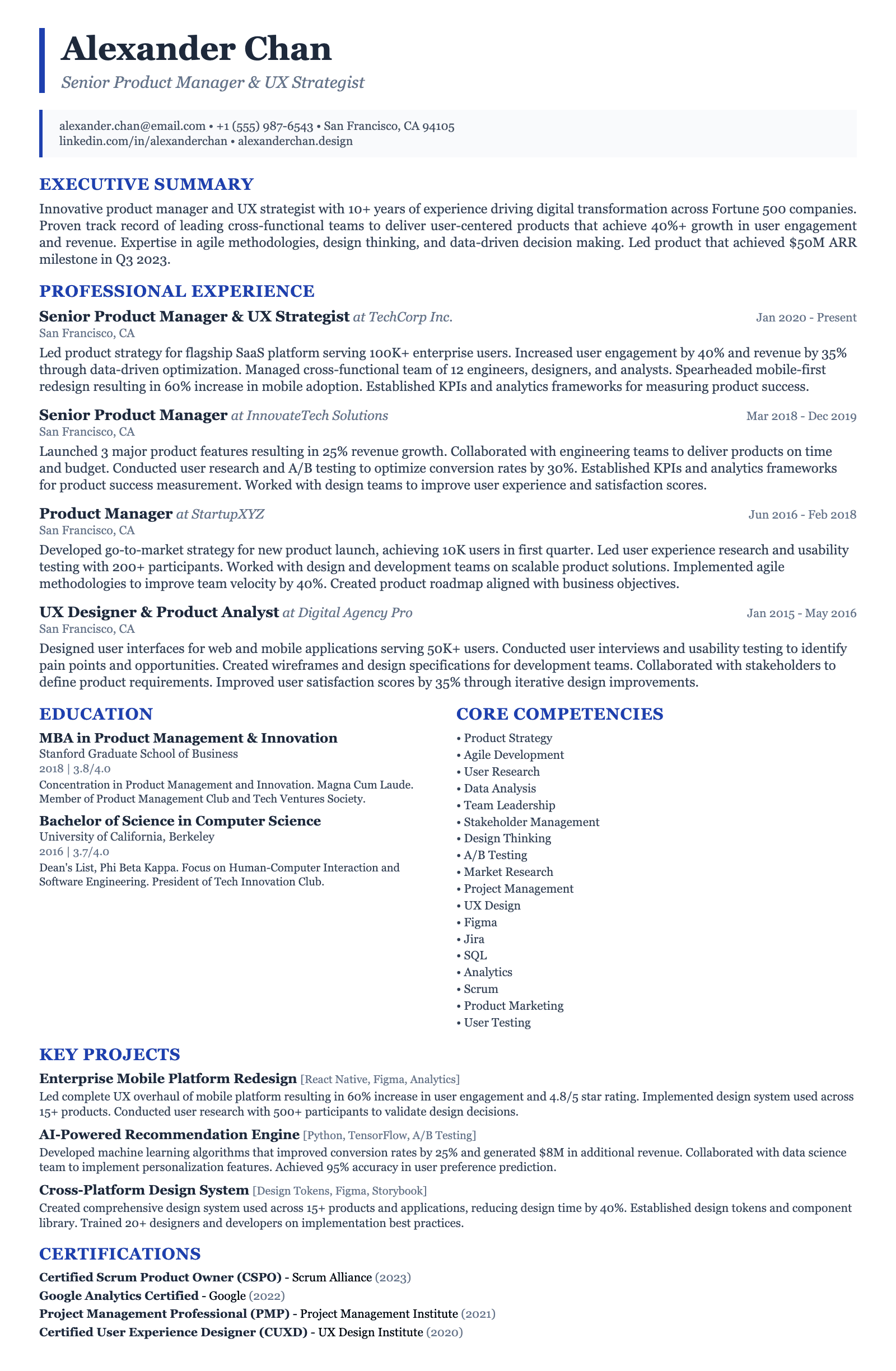
These templates are pre-configured with the headers and layout recruiters expect in the USA.


Common Questions
What is the standard resume length in the US for Security Guard?
In the United States, a one-page resume is the gold standard for anyone with less than 10 years of experience. For senior executives, two pages are acceptable, but conciseness is highly valued. Hiring managers and ATS systems expect scannable, keyword-rich content without fluff.
Should I include a photo on my Security Guard resume?
No. Never include a photo on a US resume. US companies strictly follow anti-discrimination laws (EEOC), and including a photo can lead to your resume being rejected immediately to avoid bias. Focus instead on skills, metrics, and achievements.
How do I tailor my Security Guard resume for US employers?
Tailor your resume by mirroring keywords from the job description, using US Letter (8.5" x 11") format, and leading each bullet with a strong action verb. Include quantifiable results (percentages, dollar impact, team size) and remove any personal details (photo, DOB, marital status) that are common elsewhere but discouraged in the US.
What keywords should a Security Guard resume include for ATS?
Include role-specific terms from the job posting (e.g., tools, methodologies, certifications), standard section headings (Experience, Education, Skills), and industry buzzwords. Avoid graphics, tables, or unusual fonts that can break ATS parsing. Save as PDF or DOCX for maximum compatibility.
How do I explain a career gap on my Security Guard resume in the US?
Use a brief, honest explanation (e.g., 'Career break for family' or 'Professional development') in your cover letter or a short summary line if needed. On the resume itself, focus on continuous skills and recent achievements; many US employers accept gaps when the rest of the profile is strong and ATS-friendly.
What's the ideal length for a Security Guard resume?
For most Security Guard positions, a one-page resume is sufficient. Focus on the most relevant experience and skills from the past 5-7 years. If you have extensive experience (10+ years) in specialized areas like executive protection or cybersecurity, a two-page resume may be justified. Prioritize quantifiable achievements and use clear, concise language. Tools like Grammarly can help refine your writing for brevity and impact.
Which skills are most important to highlight on a Security Guard resume?
Beyond basic observation, emphasize communication (verbal and written), conflict resolution, and emergency response skills. Highlight experience with security systems (CCTV, access control), report writing (using tools like Microsoft Word), and physical fitness. Certifications such as First Aid/CPR/AED and security licenses are highly valued. Tailor your skills section to match the specific requirements outlined in the job description.
How can I optimize my Security Guard resume for Applicant Tracking Systems (ATS)?
Use a simple, clean resume format that is easily readable by ATS software. Avoid complex formatting like tables, images, and text boxes. Use standard fonts like Arial or Times New Roman. Incorporate relevant keywords from the job description throughout your resume, including in your skills section and work experience bullets. Save your resume as a .doc or .pdf file, as specified in the job posting.
What certifications are most valuable for a Security Guard resume?
First Aid/CPR/AED certification is almost universally required. State-specific security licenses (e.g., guard card) are essential. Additional certifications like Certified Protection Professional (CPP) or Physical Security Professional (PSP) can significantly enhance your resume, particularly for higher-level security roles. Include the issuing organization and expiration date for each certification.
What are some common mistakes to avoid on a Security Guard resume?
Avoid generic descriptions of your duties. Quantify your accomplishments whenever possible (e.g., "Reduced theft by 15% through improved surveillance techniques"). Proofread carefully for typos and grammatical errors. Do not include irrelevant information, such as personal details or outdated work experience. Make sure your resume is tailored to each specific job application.
How can I transition to a Security Guard role from a different industry?
Highlight transferable skills such as observation, communication, problem-solving, and customer service. Obtain relevant certifications like First Aid/CPR/AED. Consider volunteering for security-related roles to gain experience. Tailor your resume to emphasize the skills and experience that align with the requirements of a Security Guard position. A well-written cover letter can further explain your career transition and showcase your enthusiasm.
Sources: Salary and hiring insights reference NASSCOM, LinkedIn Jobs, and Glassdoor.
Our CV and resume guides are reviewed by the ResumeGyani career team for ATS and hiring-manager relevance.