

Makeup Artist Resume Format (US Edition)
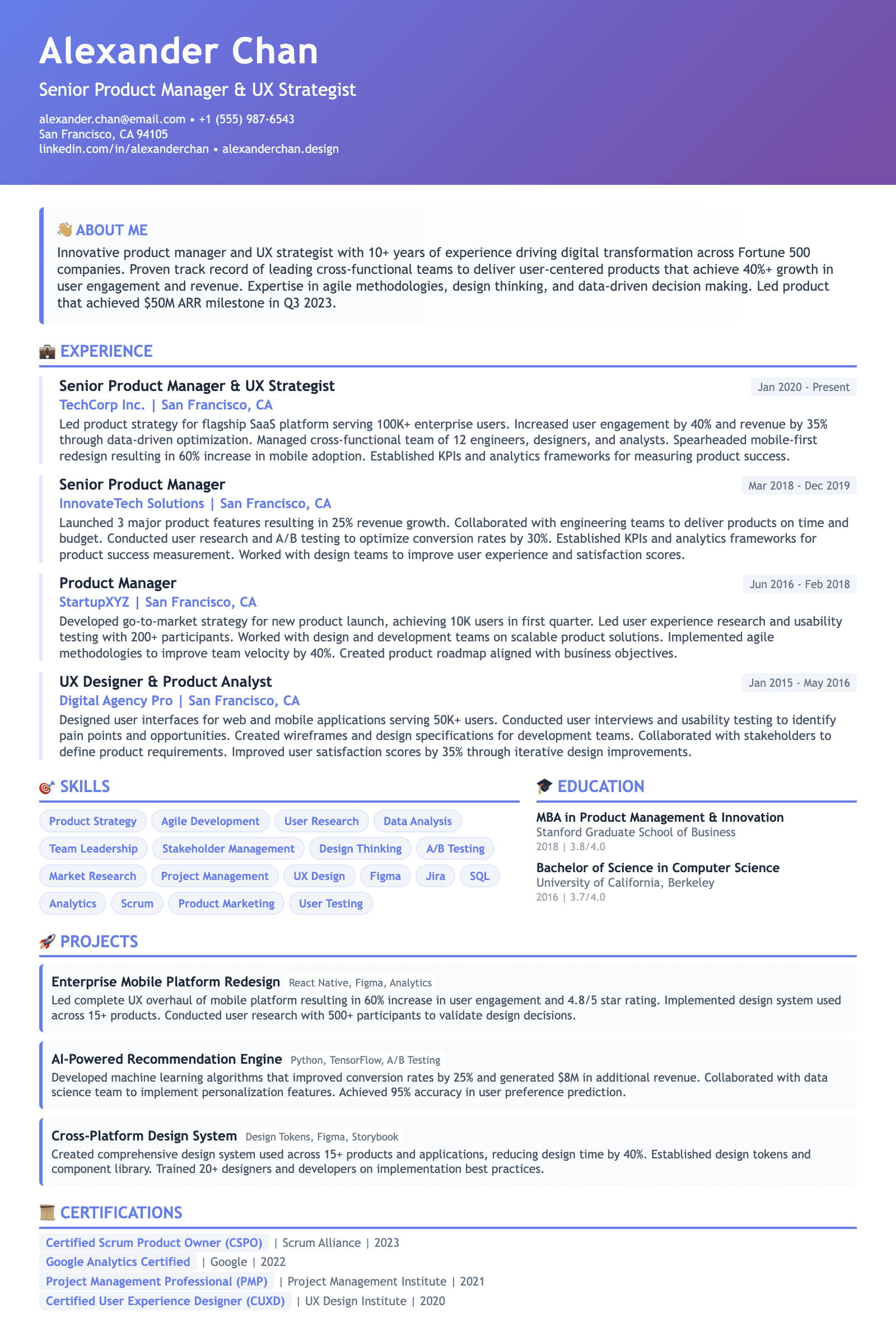
The US job market for Makeup Artists is highly competitive. Recruiters look for 'Action Verbs' and quantifiable achievements. This template is designed to pass ATS filters used by top US companies.

Salary Range
$60k - $120k
Use strong action verbs and quantifiable results in every bullet. Recruiters and ATS both rank resumes higher when they see impact (e.g. “Increased conversion by 20%”) instead of duties.
A Day in the Life of a Makeup Artist
A Makeup Artist's day begins with reviewing the schedule and client profiles to prepare for upcoming appointments. The morning might involve consulting with clients on desired looks, discussing skin tones, and selecting appropriate products from your kit, which includes brands like MAC, Anastasia Beverly Hills, and NARS. Application techniques vary from airbrushing to traditional methods, focusing on contouring, highlighting, and color correction. You will sanitize tools and maintain hygiene standards throughout the day. Collaboration with photographers or stylists on set may be necessary, ensuring the makeup complements the overall aesthetic. The afternoon may consist of special effects makeup for film or theater, demanding precision and creativity. You track product usage and replenish supplies using inventory management software. End-of-day tasks include cleaning and organizing the workspace, updating client records in a CRM, and responding to inquiries via email or social media platforms like Instagram and TikTok.
Skills Matrix
Must Haves
Technical
Resume Killers (Avoid!)
Listing only job duties without quantifiable achievements or impact.
Using a generic resume for every Makeup Artist application instead of tailoring to the job.
Including irrelevant or outdated experience that dilutes your message.
Using complex layouts, graphics, or columns that break ATS parsing.
Leaving gaps unexplained or using vague dates.
Writing a long summary or objective instead of a concise, achievement-focused one.
Typical Career Roadmap (US Market)
Top Interview Questions
Be prepared for these common questions in US tech interviews.
Q: Describe a time you had to adapt your makeup style to meet a client's unexpected request or change in vision.
MediumExpert Answer:
In a recent bridal consultation, the bride initially wanted a natural, dewy look. However, the week before the wedding, she decided she wanted a more dramatic, smoky eye. I calmly discussed her concerns, reassuring her I could achieve the desired look while still complementing her features and dress. I adjusted my product selection, focusing on long-lasting formulas to withstand the wedding day. The bride was thrilled with the final result, and her satisfaction highlighted my adaptability and problem-solving abilities.
Q: What makeup trends are you most excited about right now, and how do you incorporate them into your work?
MediumExpert Answer:
I'm currently fascinated by the resurgence of bold, graphic eyeliner and the focus on sustainable, eco-friendly beauty products. I stay updated through industry publications, social media, and workshops. I subtly incorporate these trends into my work by suggesting graphic liner variations to clients who are open to experimentation, always ensuring it complements their individual style. I'm also actively researching and incorporating cruelty-free and vegan product options into my kit, demonstrating my commitment to ethical practices.
Q: Tell me about a time you had to deal with a difficult or unsatisfied client. How did you handle the situation?
MediumExpert Answer:
I once worked with a client who was unhappy with the initial makeup application, stating it wasn't what she envisioned. I actively listened to her concerns, empathizing with her feelings. I asked clarifying questions to understand her specific preferences and made adjustments based on her feedback. I maintained a calm and professional demeanor throughout the process, ensuring she felt heard and valued. In the end, she was pleased with the revised look and appreciated my willingness to accommodate her needs.
Q: How do you stay updated on the latest makeup techniques and product innovations?
EasyExpert Answer:
I dedicate time each week to stay current with industry trends. I subscribe to beauty magazines, follow leading makeup artists and brands on social media (Instagram, YouTube), and attend industry events and workshops whenever possible. I also regularly experiment with new products and techniques on myself and practice models to expand my skillset. Participating in online forums and communities allows me to exchange knowledge and learn from other professionals.
Q: Imagine you're working on a film set, and the director asks you to create a last-minute special effect that you've never done before. How would you approach this?
HardExpert Answer:
First, I'd assess the specific requirements of the effect, considering the available resources and time constraints. I'd then research the necessary techniques and materials, utilizing online tutorials, reference images, and consulting with other makeup artists on set if possible. I would prioritize safety and hygiene, ensuring I have the appropriate protective equipment. I would then create a test run of the effect, making adjustments as needed to achieve the desired outcome, communicating clearly with the director throughout the process.
Q: Describe your process for determining the best makeup look for a client with a specific skin tone and facial structure.
MediumExpert Answer:
I begin by carefully analyzing the client's skin tone, undertones, and any skin concerns like blemishes or discoloration. Next, I assess their facial structure, considering their bone structure, eye shape, and lip shape. I discuss their personal style preferences and the occasion for the makeup application. I then select products and techniques that complement their features, using color theory to enhance their natural beauty and create a balanced and harmonious look. I always perform a patch test to ensure there are no allergic reactions.
ATS Optimization Tips for Makeup Artist
Use exact keywords from the job description, such as 'airbrush makeup,' 'special effects makeup,' 'bridal makeup,' and specific product brands like 'MAC' or 'Sephora.'
Format your skills section with bullet points, listing both technical skills (application techniques) and soft skills (communication, customer service).
Quantify your accomplishments whenever possible. For example, 'Increased client satisfaction scores by 15% through personalized makeup consultations.'
Include a 'Portfolio' or 'Online Presence' section with links to your website, Instagram, or other platforms showcasing your work.
Use standard section headings like 'Experience,' 'Skills,' 'Education,' and 'Certifications' for easy parsing by ATS.
Save your resume as a .pdf file to preserve formatting while still being readable by most ATS systems.
Tailor your resume to each job application, emphasizing the skills and experience most relevant to the specific role.
Use action verbs at the beginning of each bullet point in your experience section, such as 'Applied,' 'Created,' 'Transformed,' or 'Enhanced.'
Approved Templates for Makeup Artist
These templates are pre-configured with the headers and layout recruiters expect in the USA.


Common Questions
What is the standard resume length in the US for Makeup Artist?
In the United States, a one-page resume is the gold standard for anyone with less than 10 years of experience. For senior executives, two pages are acceptable, but conciseness is highly valued. Hiring managers and ATS systems expect scannable, keyword-rich content without fluff.
Should I include a photo on my Makeup Artist resume?
No. Never include a photo on a US resume. US companies strictly follow anti-discrimination laws (EEOC), and including a photo can lead to your resume being rejected immediately to avoid bias. Focus instead on skills, metrics, and achievements.
How do I tailor my Makeup Artist resume for US employers?
Tailor your resume by mirroring keywords from the job description, using US Letter (8.5" x 11") format, and leading each bullet with a strong action verb. Include quantifiable results (percentages, dollar impact, team size) and remove any personal details (photo, DOB, marital status) that are common elsewhere but discouraged in the US.
What keywords should a Makeup Artist resume include for ATS?
Include role-specific terms from the job posting (e.g., tools, methodologies, certifications), standard section headings (Experience, Education, Skills), and industry buzzwords. Avoid graphics, tables, or unusual fonts that can break ATS parsing. Save as PDF or DOCX for maximum compatibility.
How do I explain a career gap on my Makeup Artist resume in the US?
Use a brief, honest explanation (e.g., 'Career break for family' or 'Professional development') in your cover letter or a short summary line if needed. On the resume itself, focus on continuous skills and recent achievements; many US employers accept gaps when the rest of the profile is strong and ATS-friendly.
How long should my Makeup Artist resume be?
Ideally, your Makeup Artist resume should be one page. Given the visual nature of the profession, prioritize showcasing your skills and experience succinctly. Focus on your most relevant roles and accomplishments. If you have significant experience (10+ years) and diverse specializations, a two-page resume can be acceptable, but ensure every section adds value. Include links to your online portfolio or social media showcasing your work, optimizing it with keywords like 'Bridal Makeup,' 'Editorial Makeup,' or 'Special Effects Makeup.'
What key skills should I highlight on my resume?
Emphasize both technical and soft skills. Technical skills include proficiency in various application techniques (airbrushing, contouring, special effects), knowledge of color theory, and expertise with different product types and brands (e.g., MAC, Sephora, Ulta brands). Soft skills such as communication, customer service, creativity, attention to detail, and adaptability are crucial. Quantify your skills by mentioning number of clients served or improvements in customer satisfaction scores.
How do I ensure my resume is ATS-friendly?
Use a clean, simple resume format that ATS can easily parse. Avoid using tables, images, or unusual fonts. Stick to standard fonts like Arial or Times New Roman. Use clear headings like 'Experience,' 'Skills,' and 'Education.' Incorporate keywords from the job description naturally within your resume content. Save your resume as a .doc or .pdf file. Use tools like Jobscan to analyze your resume's ATS compatibility.
Are certifications important for a Makeup Artist resume?
While not always mandatory, certifications can enhance your credibility. Completing specialized courses or workshops from reputable institutions or brands (e.g., MAC Pro Certification, cosmetology licenses) demonstrates your commitment to professional development. List any relevant certifications under a dedicated 'Certifications' or 'Training' section, including the issuing organization and date of completion. Mention specific techniques or skills you mastered.
What are common resume mistakes to avoid?
Avoid generic statements and focus on quantifying your achievements. Do not use overly creative formatting that may confuse ATS. Proofread meticulously for typos and grammatical errors. Refrain from including irrelevant information, such as hobbies unrelated to makeup artistry. Ensure your contact information is accurate and up-to-date. Don't forget to include a link to your professional portfolio (website, Instagram, etc.).
How do I transition to Makeup Artistry from another career?
Highlight transferable skills from your previous role, such as customer service, communication, and attention to detail. Emphasize any relevant experience, even if it's volunteer work or personal projects. Complete makeup artistry courses or workshops to gain formal training. Create a strong portfolio showcasing your work. Network with industry professionals and seek entry-level positions or freelance opportunities to gain experience. Tailor your resume to emphasize your passion and relevant skills, using action verbs like 'transformed,' 'enhanced,' and 'created.'
Sources: Salary and hiring insights reference NASSCOM, LinkedIn Jobs, and Glassdoor.
Our CV and resume guides are reviewed by the ResumeGyani career team for ATS and hiring-manager relevance.